Singer Sewing Machines Manual: A Comprehensive Guide
Singer sewing machines, celebrated for 170+ years, require accessible manuals. This guide explores locating resources – official sites, forums, and dealers – for both digital and physical copies.
Singer sewing machines represent a legacy of innovation, dating back to 1851 with the first commercially successful sewing machine. Understanding your machine begins with accessing its manual, a crucial resource for operation, maintenance, and troubleshooting. These manuals detail threading, stitch selection, and essential upkeep. Whether a vintage model or a modern computerized machine, a manual unlocks its full potential. Locating the correct manual – whether digital or physical – ensures optimal performance and longevity of your Singer machine.
Historical Overview of Singer
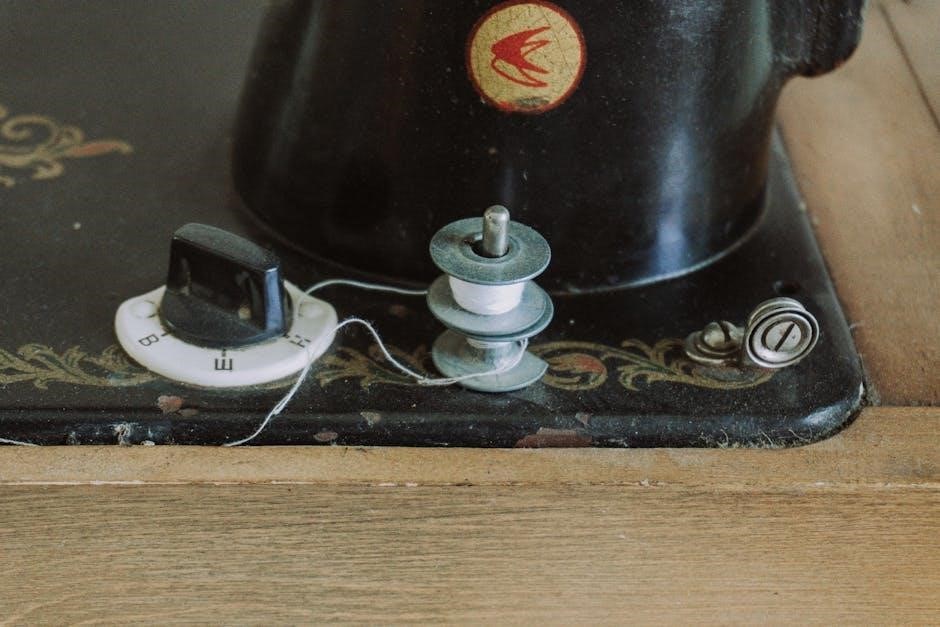
Singer’s history, beginning in 1851, profoundly impacted garment production and home crafting. Early manuals were vital for users adapting to this new technology. As models evolved – from treadle machines to electric and computerized versions – manuals adapted, reflecting increasing complexity. Accessing historical manuals provides insight into machine evolution and repair techniques. Singer’s enduring reputation stems from reliable machines and readily available documentation, making manuals key to preserving their legacy and functionality.
Understanding Different Singer Machine Models
Singer produced diverse models, each with unique manuals. Vintage machines (pre-1950s) and iconic Featherweights require specific guides differing from mid-century (1950s-1970s) or modern (1980s-present) versions. Manuals detail threading, maintenance, and stitch selection tailored to each model’s capabilities. Identifying your machine’s model number is crucial for locating the correct manual, ensuring proper operation and longevity. Variations exist even within model families, necessitating precise documentation.
Vintage Singer Models (Pre-1950s)
Singer manuals for pre-1950s machines often feature detailed illustrations due to limited photographic options. These guides emphasize mechanical operation and maintenance, covering oiling points and belt adjustments. Locating original manuals can be challenging; reproductions and digital scans are frequently used. Understanding the terminology of the era is key to interpreting instructions. These machines demand careful handling, and the manual is vital for preservation.
Featherweight Models: 221 & 222K
Singer 221 and 222K “Featherweight” manuals are highly sought after due to the machine’s enduring popularity. These compact machines boast robust construction, and their manuals detail specific lubrication points and adjustments. Digital copies are widely available online, alongside scanned originals. Proper maintenance, guided by the manual, ensures decades of reliable service. Understanding the unique features of these models is crucial for optimal performance.
Mid-Century Singer Models (1950s-1970s)
Singer machines from the 1950s-1970s, like the 301 and 401, often feature more complex mechanisms. Manuals for these models detail stitch variations and attachment usage. Finding a manual is vital for understanding features like built-in stretch stitches. Digital scans and reprints are common, offering detailed diagrams. Proper manual guidance ensures correct operation and extends the machine’s lifespan, preserving its functionality.
Modern Singer Models (1980s-Present)
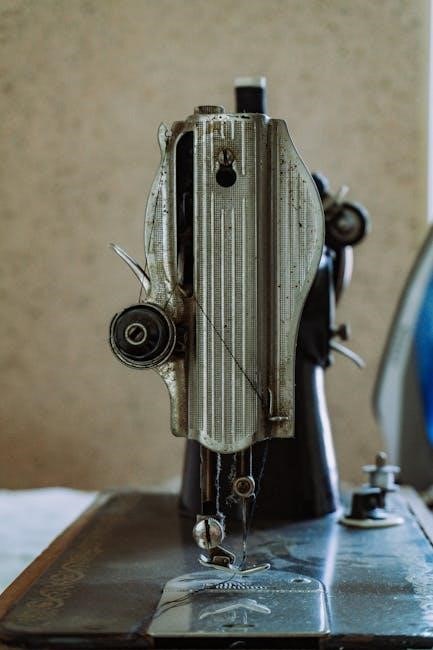
Singer sewing machines from the 1980s onward increasingly incorporate computerized features. Manuals for these models are crucial for navigating digital displays and programmable stitch patterns. Online resources often provide downloadable PDFs, covering everything from basic threading to advanced functions. Accessing the correct manual ensures users can fully utilize the machine’s capabilities, maximizing its potential and simplifying complex sewing projects.
Locating Singer Sewing Machine Manuals
Finding the right manual is key to maintaining your Singer. Official Singer websites offer a vast archive, while third-party sites compile manuals for various models. Online forums and communities are invaluable, with enthusiasts often sharing scans or links. Dealers like Tokai Chiyodabashi and Ohira Mishin also assist in locating documentation, ensuring you have the guidance needed for repairs and optimal performance.
Official Singer Website Resources
Singer’s direct shop provides a dedicated portal for manual downloads, searchable by model number – inputting it without hyphens is crucial. This resource offers comprehensive guides for current and many legacy machines. Accessing these resources ensures you receive accurate, manufacturer-approved instructions for operation, maintenance, and troubleshooting, maximizing your sewing experience and machine longevity.
Third-Party Manual Websites
Numerous websites archive Singer sewing machine manuals, offering options when the official site lacks your model. However, verify the source’s reliability; accuracy isn’t guaranteed. These sites often rely on user submissions, potentially containing errors. Cross-reference information with other sources to ensure correct procedures for threading, maintenance, and repair, safeguarding your machine and sewing projects.
Online Forums and Communities
Singer sewing machine enthusiasts frequently share manuals and expertise on online forums. These communities provide valuable troubleshooting advice, identification assistance, and access to scanned manuals not readily available elsewhere. Active participation allows you to ask specific questions about your model and benefit from collective knowledge. Remember to critically evaluate advice and confirm information before implementing it.
Decoding Singer Machine Serial Numbers
Singer serial numbers are crucial for identifying a machine’s manufacturing date and model variations. These numbers, typically found on the machine’s body, can be deciphered using online databases and resources. Knowing the serial number aids in locating the correct manual and understanding the machine’s specific features. Accurate dating helps assess value and source appropriate parts.
Essential Parts of a Singer Sewing Machine
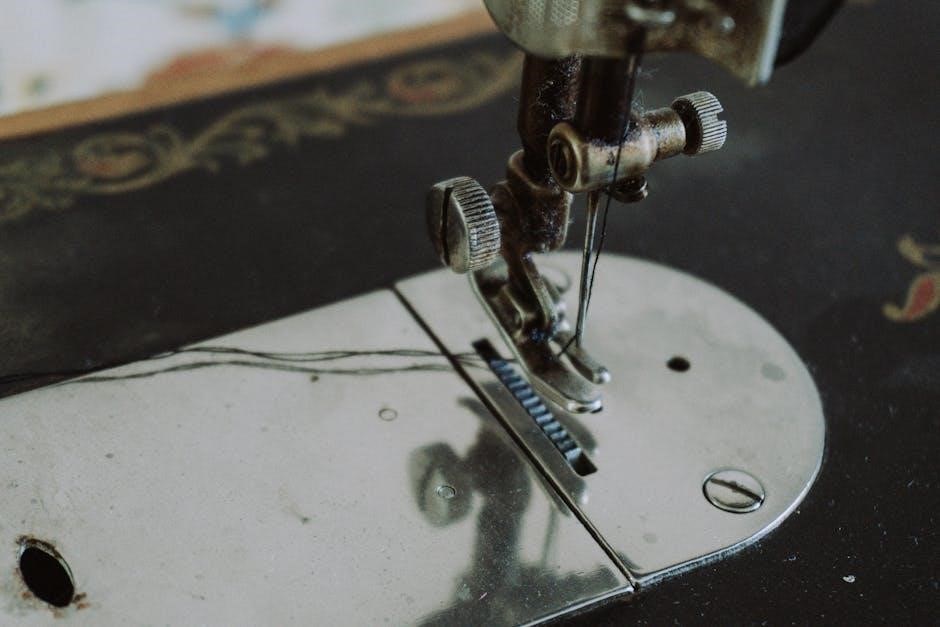
Singer machines rely on key components for operation. The needle and bobbin systems create stitches, while presser feet control fabric movement. Tension control ensures balanced stitch formation. Understanding these parts – and their interaction – is vital for maintenance and repair. Manuals detail each component’s function and proper adjustment, enabling effective troubleshooting and sewing.
Needle and Bobbin Systems
Singer machines utilize a reciprocating needle and oscillating hook bobbin system. The needle pierces fabric, forming a loop caught by the bobbin. Proper needle type (size and shape) is crucial for fabric compatibility. Bobbin winding and insertion, detailed in manuals, ensure consistent thread delivery. Correct tension between needle and bobbin threads creates balanced, secure stitches.
Presser Feet and Their Functions
Singer sewing machines boast a variety of presser feet, each designed for specific tasks. The standard foot is for general sewing, while a zigzag foot accommodates wider stitch patterns. Other options include a buttonhole foot, zipper foot, and quilting foot. Manuals detail proper foot selection and attachment, ensuring optimal fabric handling and stitch quality. Understanding these functions expands sewing capabilities.
Tension Control Mechanisms
Singer sewing machine manuals emphasize the importance of proper tension. Adjusting the upper and lower tension dials balances thread distribution, preventing looping or puckering. Incorrect tension leads to weak seams or thread breakage. Manuals illustrate how to test and fine-tune tension using scrap fabric, ensuring balanced stitches. Mastering this skill is crucial for achieving professional-quality results.
Basic Sewing Machine Maintenance
Singer sewing machine manuals consistently highlight regular maintenance. This includes frequent cleaning to remove lint and debris, preventing jams. Oiling key components, as detailed in the manual, ensures smooth operation. Manuals also guide belt replacement and offer troubleshooting tips for common issues like skipped stitches. Consistent care extends the machine’s lifespan and maintains optimal performance.
Cleaning and Oiling
Singer manuals emphasize regular cleaning with a brush to remove lint from the bobbin area and feed dogs. Use a screwdriver to access hard-to-reach spots. Oiling is crucial; apply a drop to motor bearings, gears, and the needle bar, following the manual’s diagram. Avoid over-oiling! Proper lubrication, as instructed, ensures smooth, quiet operation and prevents wear.
Belt Replacement
Singer sewing machine manuals detail belt replacement procedures. First, disconnect power! Remove the handwheel and motor cover. Carefully take off the old belt, noting its routing. Install the new belt, ensuring proper tension – not too tight, not too loose. Reassemble components, referencing diagrams in your manual. A correctly installed belt is vital for power transmission and smooth sewing.

Troubleshooting Common Issues
Singer sewing machine manuals offer solutions to frequent problems. Thread bunching? Re-thread the machine and check tension. Skipped stitches? Replace the needle and ensure it’s correctly inserted. Loud noises? Oil moving parts as described in the manual. Always consult the manual before attempting repairs, and disconnect power before any maintenance.
Threading a Singer Sewing Machine
Singer sewing machine manuals detail precise threading paths. Begin with the spool pin, guiding the upper thread through tension discs and take-up lever. Next, thread the needle from front to back. For the bobbin, wind it evenly and insert it correctly, following the manual’s diagram. Proper threading is crucial for stitch quality.
Upper Threading Guide
Singer manuals illustrate a standardized upper threading process. Start by placing the spool on the pin, then guide the thread through the first tension disc. Continue through the thread guide, ensuring it engages the take-up lever. Finally, thread the needle from front to back, verifying it’s fully inserted.
Bobbin Winding and Insertion
Singer manuals detail bobbin winding: place the thread spool, guide it to the bobbin winder tension disc, and wind evenly. After winding, insert the bobbin into the bobbin case, ensuring correct orientation as per your model’s manual. Finally, insert the bobbin case into the machine, following the designated path.
Stitch Selection and Adjustment
Singer sewing machine manuals illustrate stitch selection dials or electronic interfaces. Adjust stitch length and width using corresponding controls, referencing the manual for optimal settings for different fabrics. Explore straight, zigzag, and decorative stitch options. Proper adjustment ensures consistent, professional-looking results, preventing skipped stitches or fabric puckering.
Straight Stitch
Singer sewing machine manuals detail the straight stitch as the foundational stitch for seams and topstitching. Adjust stitch length based on fabric weight; shorter for delicate fabrics, longer for heavier ones. Ensure consistent needle and thread tension for a uniform stitch. Practice on scrap fabric to achieve a perfectly straight, even seam before starting your project.
Zigzag Stitch
Singer sewing machine manuals explain the zigzag stitch’s versatility – seam finishing, buttonholes, and decorative applications. Width adjustments create narrow or wide zigzags, while length controls stitch density. Utilize for stretch fabrics to allow seam give. Mastering tension is crucial for balanced zigzag formation, preventing puckering or loose stitches. Experiment with settings on scrap fabric first.
Decorative Stitch Options
Singer manuals detail a range of decorative stitches, from simple patterns to elaborate designs; These enhance projects with unique embellishments. Stitch selection varies by model; newer machines offer extensive digital options. Adjust width and length for customized effects. Stabilizers are often recommended for delicate fabrics. Practice on test swatches to perfect tension and achieve desired results.
Troubleshooting Common Singer Sewing Machine Problems
Singer manuals provide solutions for frequent issues. Thread breakage often stems from incorrect threading or tension. Skipped stitches may indicate a dull needle or improper needle type for the fabric. Needle breakage signals excessive force or a bent needle. Consult your manual for diagrams and step-by-step guidance to diagnose and resolve these problems efficiently.

Thread Breakage Issues
Singer manuals detail causes for thread breakage. Incorrect threading is a primary culprit; re-thread following the diagram precisely. Tension imbalances – too tight or loose – also contribute. Ensure the correct thread type and size are used for your fabric. A damaged or burred needle can sever thread; replace it. Regularly clean the machine to remove lint buildup.
Skipped Stitches
Singer manuals address skipped stitches with several solutions. A dull or incorrect needle is often the cause; change it to the appropriate type for your fabric. Improper threading, particularly of the upper thread, must be checked. Adjusting the presser foot pressure can help ensure fabric feeds correctly. Ensure the bobbin is wound evenly and inserted properly.
Needle Breakage
Singer sewing machine manuals frequently list needle breakage as a common issue. Using the wrong needle size or type for the fabric is a primary cause. Attempting to sew through excessively thick material or forcing the fabric can also break needles. Ensure the needle is correctly inserted and not bent. Check for obstructions in the needle plate area.
Singer Sewing Machine Accessories
Singer sewing machine manuals detail a vast array of accessories. These include numerous presser feet for specialized tasks, diverse bobbin cases, and a selection of needles suited for various fabrics. Specialty attachments, enhancing functionality, are also highlighted. Manuals often illustrate proper accessory usage and compatibility, maximizing your machine’s potential and expanding creative sewing possibilities;
Presser Feet Variety
Singer sewing machine manuals extensively cover presser feet. A standard zig-zag foot is universal, while others specialize – zipper, buttonhole, rolled hem, and blind hem feet are common. Manuals illustrate each foot’s purpose and proper application. Understanding these variations unlocks advanced techniques, ensuring optimal stitch quality and fabric handling for diverse sewing projects. Proper foot selection, as detailed in the manual, is crucial.
Bobbin Cases and Needles
Singer sewing machine manuals dedicate sections to bobbin cases and needles, vital for consistent stitching. Manuals detail compatible needle types (universal, ballpoint, etc.) for various fabrics. Bobbin case adjustments impact tension; the manual guides proper settings. Correct needle and bobbin case pairing prevents issues like skipped stitches or thread breakage. Referencing the manual ensures optimal performance and extends machine lifespan.
Specialty Attachments
Singer sewing machine manuals thoroughly explain specialty attachments, expanding machine capabilities. These include gathering feet, rolled hem feet, and darning plates. Manuals illustrate proper attachment installation and usage for specific projects. Understanding these attachments unlocks advanced techniques like professional-looking gathers or decorative hems. The manual details which models support each attachment, ensuring compatibility and optimal results for creative sewing endeavors.
Restoring a Vintage Singer Sewing Machine
Singer sewing machine manuals are invaluable during restoration. They guide cleaning, refinishing, and identifying original parts. Manuals detail disassembly/reassembly, crucial for replacing worn components. Referencing the manual ensures correct reinstallation of belts, gears, and tension assemblies. Original manuals often include exploded diagrams, simplifying the process and preserving the machine’s historical integrity. Careful restoration, guided by the manual, revives these timeless machines.
Cleaning and Refinishing
Singer sewing machine manuals provide specific cleaning instructions. Disassembly guidance is key before using gentle cleaners – avoid harsh chemicals! Manuals detail polishing techniques for the body, preserving the original finish. Refinishing may require specialized paints matched to the era, as outlined in some manuals. Always test cleaners in an inconspicuous area first. Proper cleaning and refinishing, guided by the manual, restore beauty and functionality.
Replacing Worn Parts
Singer sewing machine manuals are invaluable when replacing parts. They detail exploded diagrams for proper reassembly. Identifying correct replacement parts – bobbins, needles, belts – is crucial, often referencing part numbers. Manuals guide tension adjustments post-replacement. Sourcing parts from authorized dealers or reputable suppliers ensures compatibility. Careful manual adherence prevents damage and restores optimal sewing performance. Prioritize safety during disassembly and reassembly.
Singer Sewing Machine Value and Identification
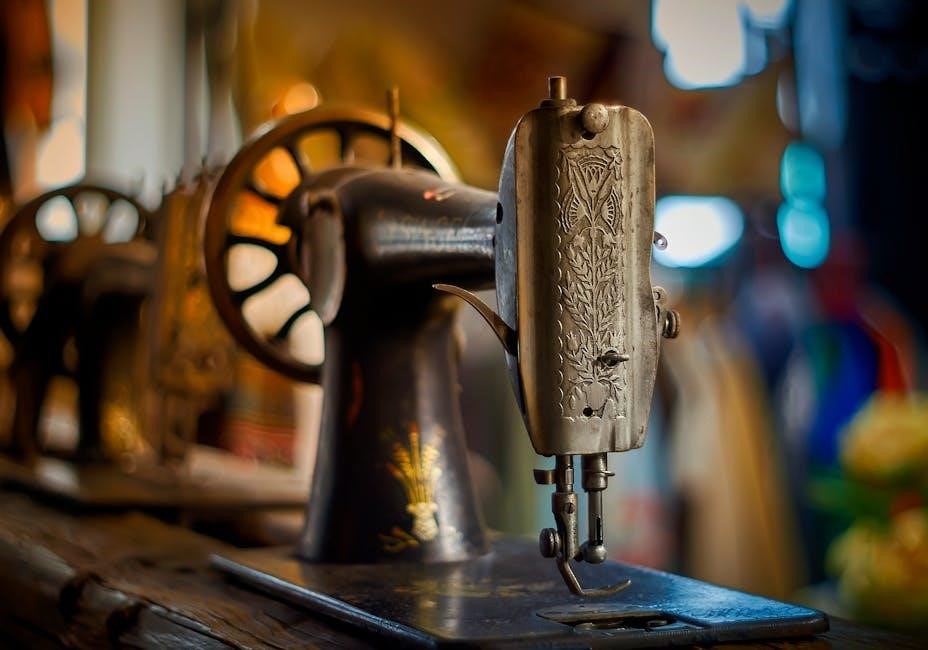
Singer sewing machine manuals aid identification through serial numbers and model details. Determining value requires considering age, condition, and rarity. Vintage models often command higher prices. Manuals help verify model specifics for accurate appraisal. Online resources and dealer consultations supplement manual information. Restored machines generally fetch better values. Understanding the machine’s history, as detailed in manuals, enhances its appeal to collectors.
Finding Singer Sewing Machine Dealers and Repair Services
Singer sewing machine manuals often list authorized dealers, though online searches reveal current locations. Independent repair shops specializing in vintage Singer machines are also valuable resources. Manuals can help diagnose issues before seeking service. Dealer websites frequently offer repair services or referrals. Locating a knowledgeable technician ensures proper maintenance and preserves the machine’s functionality, extending its lifespan as detailed within the manual’s care instructions.
Authorized Singer Dealers
Singer’s official website provides a dealer locator, connecting users with authorized retailers. These dealers offer genuine Singer parts, accessories, and often, repair services. They can assist with manual requests or provide guidance on machine features. Authorized dealers ensure authenticity and warranty support, crucial when referencing a sewing machine manual. Finding a local dealer streamlines access to expertise and resources for optimal machine performance.
Independent Repair Shops
Independent repair shops specializing in sewing machines frequently possess a wealth of knowledge and access to older Singer manuals. While not directly affiliated with Singer, skilled technicians can often source manuals or offer troubleshooting assistance based on their experience. These shops are valuable for vintage machine repair and can provide insights not always found through official channels, complementing your manual’s guidance.
Singer Sewing Machine Manuals: Digital vs. Physical
Digital manuals offer convenience – readily downloadable and searchable – but may lack the tactile experience of a physical copy. Physical manuals, especially vintage ones, provide original diagrams and instructions, potentially crucial for older models. However, they can be fragile or difficult to find. A combination of both formats offers the best of both worlds, ensuring comprehensive access to information for your Singer machine.
Advanced Techniques for Singer Sewing Machines
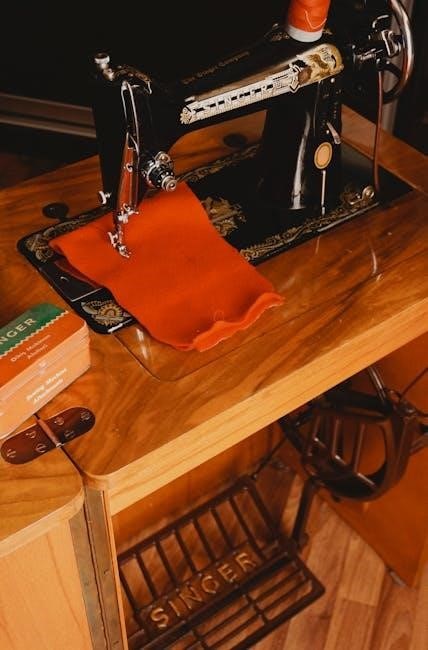
Singer machines, beyond basic sewing, excel in specialized techniques. Free motion quilting demands practice and a darning foot, unlocking creative expression. Embroidery, utilizing attachments and stabilizers, transforms machines into artistic tools. Mastering these skills requires understanding stitch settings, tension adjustments, and appropriate accessory usage, often detailed within comprehensive Singer manuals.

Free Motion Quilting
Free motion quilting on a Singer requires dropping the feed dogs and using a darning foot. Manuals detail this process, emphasizing consistent speed and gentle guidance. Practice is crucial for smooth lines and intricate designs. Adjusting stitch length and tension, as outlined in your Singer manual, impacts fabric puckering and thread flow, achieving desired quilting effects.
Embroidery with Singer Machines
Singer machines, particularly modern computerized models, excel at embroidery. Your machine’s manual is vital for understanding embroidery foot attachments and hoop selection. It details transferring designs via USB or built-in patterns. Stabilizers, crucial for preventing puckering, are explained within the manual. Mastering tension adjustments, as described, ensures clean, professional embroidery results, unlocking creative potential.
Resources for Singer Sewing Machine Enthusiasts
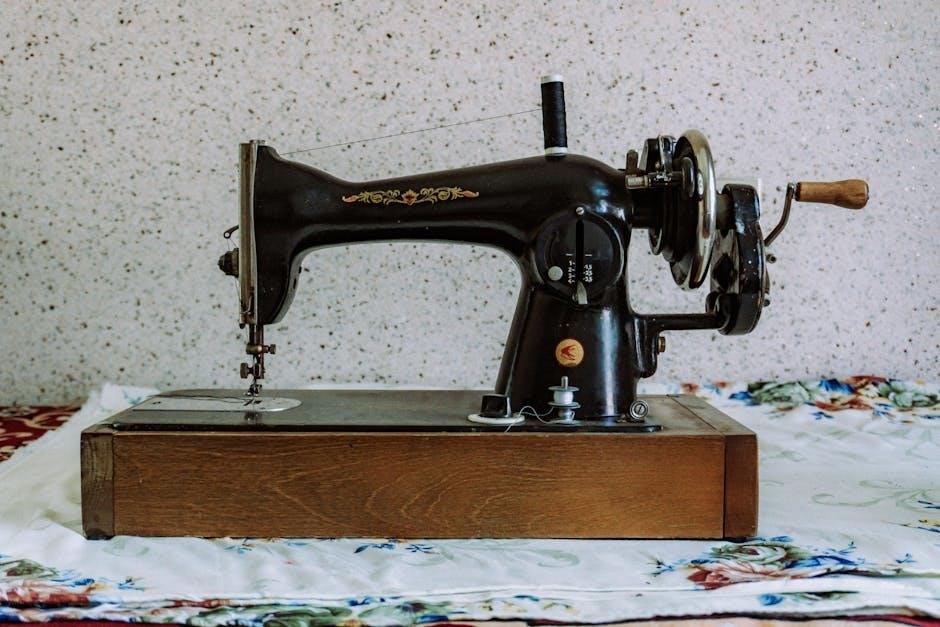
Singer’s official website provides manuals and FAQs. Online forums, like those mentioned, offer peer support and troubleshooting advice. Dealer networks, such as Tokai and Ohira, provide repair services and accessory guidance. Singer Direct Shop facilitates parts purchases. Remember to utilize your machine’s manual alongside these resources for optimal maintenance and operation, fostering a thriving community of sewing enthusiasts.