
Scouting America prioritizes participant safety, expecting leaders to utilize the SAFE framework during all program delivery․ The Guide to Safe Scouting
provides essential guidelines for a secure experience․
What is Safe Scouting?
Safe Scouting represents a proactive and comprehensive approach to minimizing risks and ensuring the well-being of all participants in Scouting America activities․ It’s built upon a foundation of qualified adult leadership, diligent risk assessment, and a commitment to matching activities to the capabilities of the youth involved․
Central to Safe Scouting is the Guide to Safe Scouting, a resource offering detailed age and rank-specific guidelines․ This chart helps leaders select appropriate activities, considering developmental stages and skill levels․ It’s about creating a fun, challenging, and ultimately, safe environment where young people can learn and grow, fostering confidence and resilience while prioritizing their protection․
The Importance of a Safe Scouting Chart
The Guide to Safe Scouting chart isn’t merely a suggestion; it’s a vital tool for responsible leadership within Scouting America․ It provides a clear framework for determining which activities are appropriate for different age groups and ranks, minimizing potential hazards․
By adhering to the chart’s guidelines, leaders demonstrate a commitment to youth protection and responsible risk management․ It ensures that Cub Scouts, Scouts BSA, and Venturing members engage in activities aligned with their developmental capabilities․ Ignoring these guidelines can expose participants to unnecessary dangers, undermining the core values of Scouting and potentially leading to preventable incidents․
The SAFE Acronym Explained
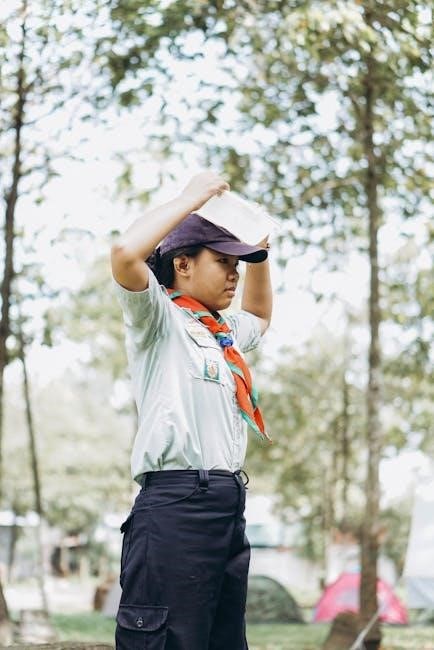
SAFE—Supervision, Assessment, Fitness & Skill, and Equipment & Environment—is the new BSA safety model, replacing the older “Sweet 16” from the Guide to Safe Scouting․
Supervision: Qualified Adult Leadership
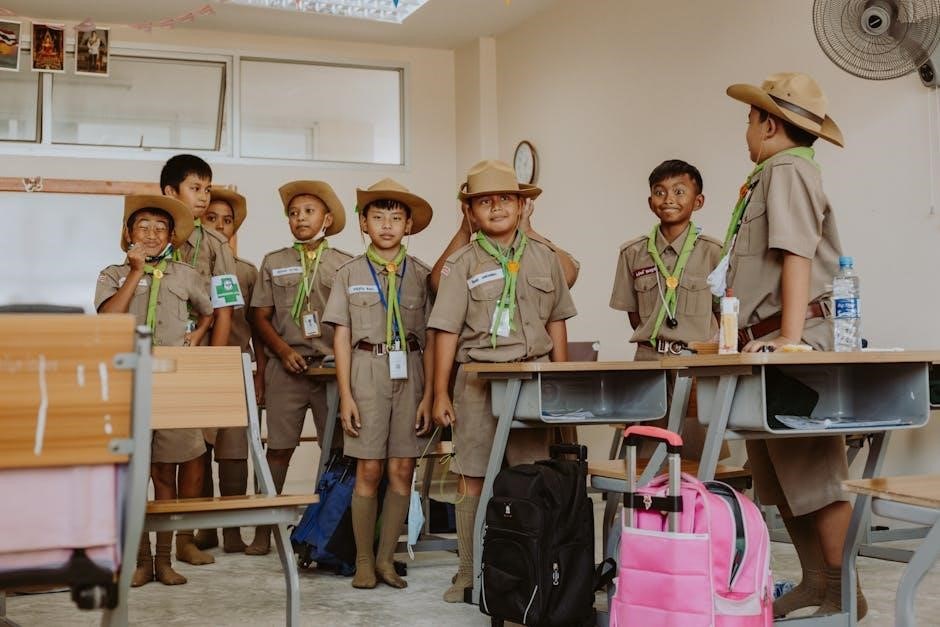
Supervision is a cornerstone of Safe Scouting, as outlined in the Guide to Safe Scouting․ Qualified and trustworthy adults are essential for overseeing all Scouting activities, setting a positive safety example for youth participants․
Effective supervision involves actively monitoring participants, understanding the planned activity, and being prepared to intervene if necessary․ Adult leaders must accept responsibility for the well-being of those in their care, ensuring a safe and supportive environment․ This includes knowing and adhering to all relevant Scouting policies and procedures, as detailed within the Guide․
Properly trained leaders are equipped to identify and mitigate potential hazards, fostering a culture of safety throughout the Scouting experience․
Assessment: Identifying and Managing Risks
Assessment, a vital component of SAFE Scouting detailed in the Guide to Safe Scouting, requires leaders to proactively identify and manage potential risks associated with any activity․ This process involves carefully evaluating the environment, equipment, and the capabilities of participants․
Leaders must anticipate potential hazards and implement appropriate safeguards to minimize the likelihood of incidents․ This could include modifying the activity, providing additional supervision, or ensuring participants have the necessary skills and training․
A thorough risk assessment is crucial for creating a safe and enjoyable Scouting experience, aligning with the BSA’s commitment to protecting youth and volunteers․
Fitness and Skill: Participant Capabilities
Fitness and Skill, as outlined in the Guide to Safe Scouting, emphasizes matching activities to the physical and emotional capabilities of each participant․ Leaders must honestly assess each Scout’s readiness before allowing them to participate in an activity․
This involves considering age, rank, experience level, and any individual limitations․ Activities should be progressively challenging, building skills and confidence gradually․ Proper training and skill development are essential before attempting more complex tasks․
Prioritizing participant capabilities ensures a safe and positive experience, preventing injuries and fostering a sense of accomplishment within the Scouting program․
Equipment and Environment: Ensuring Safe Conditions
The Guide to Safe Scouting stresses that a safe environment and properly maintained equipment are crucial for all Scouting activities․ Leaders are responsible for inspecting equipment before each use, ensuring it’s in good working order and appropriate for the intended task․
Environmental hazards must be identified and mitigated․ This includes assessing weather conditions, terrain, and potential dangers like wildlife or poisonous plants․ A safe operating area, free from obstructions and potential hazards, is paramount․
Regular equipment checks and a proactive approach to environmental safety minimize risks and contribute to a secure Scouting experience․
Understanding the Safe Scouting Chart
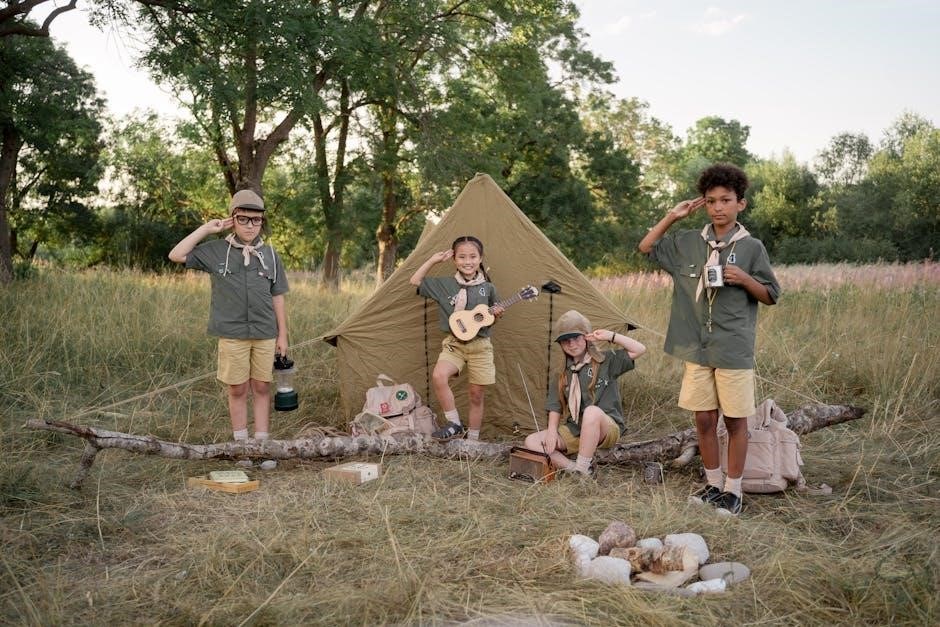
The Guide to Safe Scouting chart details age- and rank-specific guidelines, ensuring activities align with participant capabilities and promoting a safe, enjoyable Scouting experience․
Age and Rank-Specific Guidelines
Scouting’s commitment to safety is deeply rooted in recognizing developmental stages and skill levels; The Guide to Safe Scouting chart meticulously outlines appropriate activities for each age group and rank within the program․
For instance, Cub Scouts generally participate in introductory camping and hiking experiences, carefully supervised and tailored to their abilities․ As Scouts BSA members progress, they gain access to more challenging activities, like rock climbing or backpacking, contingent upon demonstrated skills and adherence to safety protocols․
Venturing, designed for young adults, offers high-adventure opportunities, demanding advanced training and responsible decision-making․ These guidelines aren’t restrictive, but rather protective measures, ensuring that every Scout is prepared and safe during their adventures․
Camping and Hiking Restrictions
The Guide to Safe Scouting chart details specific restrictions for camping and hiking activities, varying by age and rank․ Cub Scouts typically require more adult supervision and shorter distances for hikes, focusing on introductory outdoor skills․
Scouts BSA can undertake longer, more challenging hikes and overnight camping trips, but must demonstrate proficiency in map reading, first aid, and Leave No Trace principles․ Restrictions also address campsite selection, ensuring safe distances from hazards like cliffs or water sources․
Proper planning, including detailed itineraries and emergency contact information, is crucial․ These guidelines aim to minimize risks and foster responsible outdoor stewardship․
High-Adventure Activity Requirements
The Guide to Safe Scouting chart outlines stringent requirements for high-adventure activities like rock climbing, scuba diving, and backcountry expeditions․ These activities demand advanced training, specialized equipment, and meticulous planning․
Participants must meet specific age and skill prerequisites, often requiring certifications from recognized organizations․ Detailed risk assessments are mandatory, identifying potential hazards and implementing mitigation strategies․
Qualified leadership with experience in the specific activity is essential, alongside comprehensive emergency action plans․ Adherence to these guidelines ensures a safe and rewarding experience while pushing boundaries and fostering resilience․
Aquatic Activity Safety
The Guide to Safe Scouting chart dedicates significant attention to aquatic safety, recognizing the inherent risks associated with water activities․ Strict adherence to the BSA’s Safe Swim Defense and Safely Afloat plans is paramount․
These plans mandate qualified supervision by certified lifeguards or trained water safety instructors, alongside thorough pre-activity checks of the environment and participant capabilities․
Buddy systems, proper use of personal flotation devices (PFDs), and designated swimming areas are crucial components․ Detailed planning, including emergency rescue procedures, is essential for mitigating risks and ensuring a safe aquatic experience for all participants․

Key Policies and Procedures
Scouting America’s policies, like Youth Protection and Two-Deep Leadership, are vital for creating a secure environment, as detailed in the Guide to Safe Scouting․
Youth Protection Guidelines
Youth Protection is paramount within Scouting America, and the Guide to Safe Scouting comprehensively outlines these crucial guidelines․ These policies are designed to protect all participants, fostering a safe and positive environment․ Key elements include barriers against abuse, requiring at least two registered adult leaders present for all activities involving youth․
Strict rules govern interactions between adults and youth, emphasizing appropriate communication and physical contact․ Background checks for all volunteers and employees are mandatory, ensuring trustworthy leadership․ The Guide also details procedures for reporting suspected abuse, emphasizing a duty to report any concerns immediately․ These guidelines aren’t merely suggestions; they are mandatory requirements for all Scouting activities․
Two-Deep Leadership
Two-Deep Leadership is a foundational safety principle detailed within the Guide to Safe Scouting, mandating a minimum of two registered adult leaders present during any Scouting activity involving youth․ This isn’t simply a recommendation; it’s a non-negotiable requirement designed to protect both the youth and the leaders․
The presence of two adults provides enhanced supervision, reduces the potential for misunderstandings, and offers a built-in system of accountability․ This practice minimizes opportunities for inappropriate behavior and ensures a safer environment for all participants․ It’s a critical component of Scouting’s commitment to youth protection, reinforcing a culture of safety and responsible leadership․

Buddy System
The Buddy System, a cornerstone of safety outlined in the Guide to Safe Scouting, requires each participant to be paired with a designated buddy․ This isn’t merely about companionship; it’s a proactive safety measure ensuring constant accountability and mutual support throughout all Scouting activities․ Buddies are responsible for knowing each other’s whereabouts and reporting any concerns to adult leaders․
This system fosters a sense of responsibility and encourages youth to look out for one another․ It’s particularly crucial during hikes, campouts, and aquatic activities, providing a quick way to account for everyone and respond effectively to emergencies; Consistent buddy checks are vital for a safe and enjoyable experience;

Emergency Preparedness
Scouting emphasizes readiness; the Guide to Safe Scouting details vital procedures including First Aid/CPR training, accessible emergency contacts, and thorough incident reporting․
First Aid and CPR Training
Scouting America strongly advocates for comprehensive first aid and cardiopulmonary resuscitation (CPR) training for all adult leaders․ The Guide to Safe Scouting explicitly recommends that at least one adult leader per outing be certified in these life-saving skills․
This certification ensures a swift and effective response to medical emergencies, minimizing potential harm to participants․ Leaders should maintain current certifications, as skills and protocols are periodically updated․ Beyond basic certification, specialized wilderness first aid training is highly encouraged for activities in remote locations․
Regular refresher courses are also vital to reinforce knowledge and build confidence in emergency situations․ Properly trained leaders are a cornerstone of a safe Scouting experience, directly contributing to the well-being of youth and adults alike․
Emergency Contact Information
The Guide to Safe Scouting emphasizes the critical importance of readily accessible emergency contact information during all Scouting activities․ Before each event, leaders must collect and maintain a comprehensive list including parent/guardian contact details, medical information, and any allergies or special needs of each participant․
This information should be securely stored and easily accessible to designated leaders, even in remote locations without cell service – consider a waterproof container․ Leaders should also carry their own emergency contact list․
Furthermore, local emergency numbers (police, fire, ambulance) and the location of the nearest medical facility should be known and readily available․ Proactive preparation with accurate contact details is paramount for a swift response in any emergency․
Incident Reporting Procedures
The Guide to Safe Scouting outlines strict incident reporting procedures to ensure all events, no matter how minor, are documented and reviewed․ Any injury, illness, or hazardous situation occurring during a Scouting activity must be reported promptly to the unit leader and, if necessary, to local authorities․
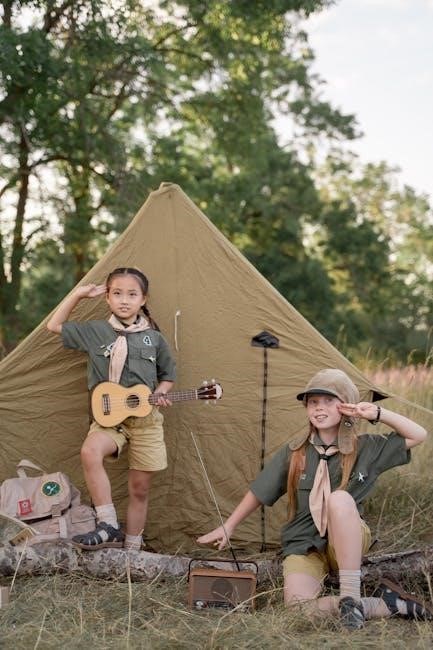
A written incident report, detailing the event, contributing factors, and actions taken, is crucial․ This report should be submitted to the local council within 24 hours․
Proper documentation allows for analysis, prevention of future incidents, and demonstrates Scouting America’s commitment to safety and continuous improvement․
Specific Activity Considerations
The Guide to Safe Scouting emphasizes tailored safety measures for each activity, including wilderness first aid, weather preparedness, and safe transportation practices․
Wilderness First Aid
Scouting activities often venture into remote areas, making wilderness first aid knowledge crucial․ The Guide to Safe Scouting strongly recommends that leaders receive comprehensive training in wilderness first aid and CPR․
This training should cover managing injuries and illnesses in situations where immediate medical care is delayed or unavailable․ Leaders must carry appropriate first aid supplies, tailored to the specific activity and environment․
Understanding how to improvise, stabilize injuries, and evacuate participants safely are vital skills․ Pre-planning for potential medical emergencies, including identifying local resources and establishing communication protocols, is also essential for a safe Scouting experience․
Weather-Related Safety
The Guide to Safe Scouting emphasizes proactive weather monitoring and preparedness․ Leaders must check forecasts before and during activities, being aware of potential hazards like thunderstorms, extreme heat, or cold․
Having a plan to respond to changing conditions is critical, including knowing how to seek shelter, adjust activity plans, or even postpone events․ Participants should be properly equipped with appropriate clothing and gear for anticipated weather․
Understanding the signs of heat exhaustion, hypothermia, and other weather-related illnesses is vital, alongside knowing how to provide appropriate first aid․ Prioritizing safety during inclement weather is paramount․
Transportation Safety
The Guide to Safe Scouting outlines strict guidelines for transporting youth․ Only authorized drivers with valid licenses and appropriate insurance are permitted to drive Scouting vehicles․
Vehicles must be properly maintained and inspected regularly to ensure roadworthiness․ Adherence to all traffic laws, including seatbelt usage for every passenger, is non-negotiable․
Leaders should plan routes carefully, considering road conditions and potential hazards․ Avoid distracted driving and limit driving hours to prevent fatigue․ A vehicle check list prior to departure is highly recommended, ensuring a safe journey for all involved․
Resources and Further Information
The Guide to Safe Scouting document, BSA Safety Moments, and local council resources offer comprehensive safety guidance for all Scouting activities․
The Guide to Safe Scouting Document
The Guide to Safe Scouting serves as the foundational document for safety within Scouting America․ It details policies, procedures, and best practices designed to mitigate risks and protect participants․ This comprehensive resource provides age- and rank-specific guidelines, crucial for ensuring activities align with a youth’s capabilities and experience level․
The chart within the guide is particularly valuable, outlining restrictions for activities like camping and hiking based on age and program․ It also specifies requirements for high-adventure pursuits, such as rock climbing or scuba diving, emphasizing proper training and supervision․ Leaders are expected to familiarize themselves with this document and adhere to its recommendations, alongside any applicable state or local regulations that may supersede Scouting America’s practices․
BSA Safety Moments
BSA Safety Moments are brief, focused discussions designed to reinforce safe practices during Scouting activities․ These moments are invaluable tools for leaders, prompting quick reviews of potential hazards and appropriate responses․ They complement the detailed guidance found within The Guide to Safe Scouting, particularly the chart outlining age and rank-specific restrictions․
Safety Moments can address topics like weather preparedness, proper equipment usage, or buddy system protocols․ Regularly incorporating these into meetings and outings helps cultivate a culture of safety, ensuring all participants are mindful of potential risks․ Leaders should tailor these moments to the specific activity, referencing the Guide for relevant information and best practices․
Local Council Safety Resources
Your local Scouting council offers a wealth of resources to support leaders in implementing safe practices, supplementing the national Guide to Safe Scouting․ These resources often include specialized training courses, tailored to local conditions and common activity risks․ Councils may also provide updated information on state and local regulations impacting Scouting operations․
Furthermore, local councils frequently host safety workshops and provide access to experienced safety advisors who can assist with event planning and risk assessment․ Don’t hesitate to connect with your council’s safety committee to learn about available support and ensure adherence to the chart’s guidelines․