
Firefighter Training Drills: A Comprehensive Guide (2026)
This guide, updated for 2026, focuses on essential firefighter drills, prioritizing structural, auto, and wildland responses—the “bread and butter” of daily calls․
Weekly drills, informed by resources like Firefighter Close Calls’ “Secret List”, are crucial for proactive planning and skill refinement within departmental guidelines․
Effective training includes rapid deployment (the 5-minute drill), limited staffing scenarios, compartment searches, forcible entry, and securing reliable water supplies․
Prioritizing physical fitness and safety during drill execution, including self-rescue and RIT team operations, is paramount for firefighter survival and operational success․
Firefighter drills aren’t merely procedural exercises; they represent a vital investment in personnel safety and operational effectiveness․ Consistent, well-planned drills bridge the gap between theoretical knowledge and practical application, fostering muscle memory and sound decision-making under pressure․
The inherent dangers of firefighting demand a proactive approach to training․ Utilizing resources like the “Secret List” from Firefighter Close Calls emphasizes survival skills and learning from past incidents․ Weekly drills, tailored to departmental standards, allow firefighters to mentally rehearse responses to common emergencies – structural fires, vehicle extrications, and wildland incidents․
These drills aren’t about introducing complex, low-probability scenarios․ Instead, they concentrate on mastering fundamental skills, ensuring proficiency in core competencies․ This focused approach builds confidence and enhances the ability to react instinctively and safely when facing real-world challenges, ultimately minimizing risks and maximizing positive outcomes․
Weekly Drill Concepts & The “Secret List”
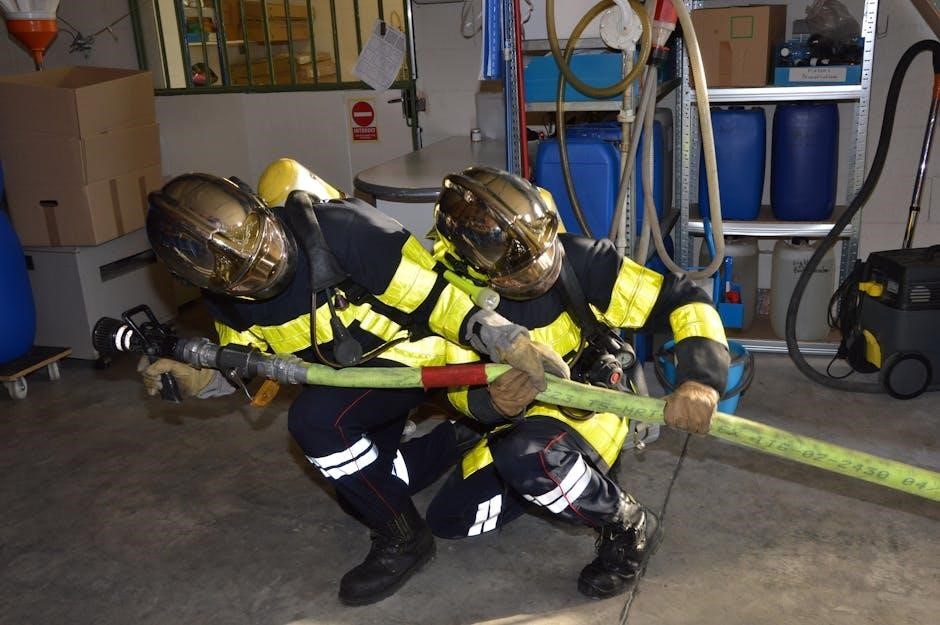
Establishing a consistent weekly drill schedule is paramount for maintaining firefighter readiness․ These drills shouldn’t be viewed as simply “checking a box,” but as opportunities for collaborative problem-solving and skill refinement, always adhering to departmental rules and state training standards․
Firefighter Close Calls’ “Secret List” serves as an invaluable resource, offering insights gleaned from near-miss incidents and lessons learned in the field․ Integrating these lessons into weekly drills fosters a culture of proactive safety and continuous improvement․
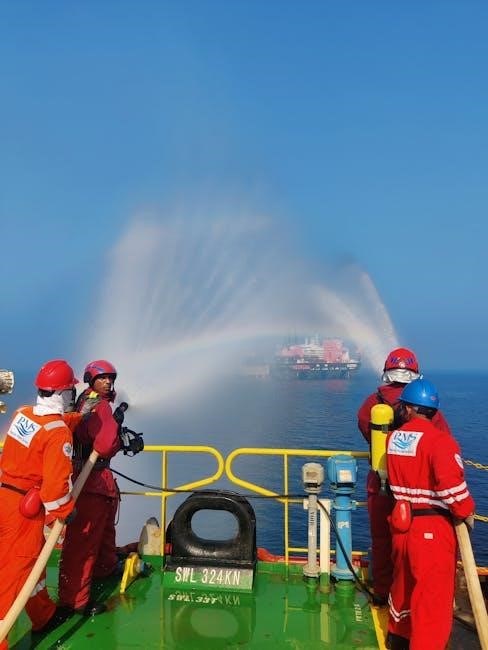
Drill concepts should focus on “bread and butter” responses – structural firefighting tactics, vehicle extrication procedures, and wildland fire suppression techniques․ The goal is to build proficiency in the skills firefighters utilize most frequently, ensuring a swift and effective response when seconds count․
Firefighter Close Calls & Pre-Incident Planning
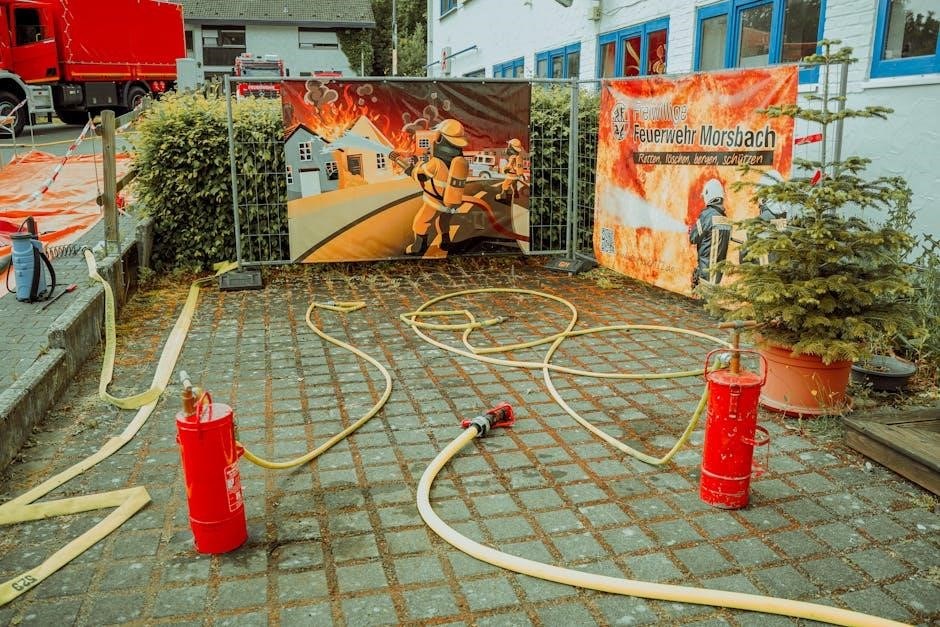
The wealth of information available through Firefighter Close Calls, particularly the “Secret List,” highlights the critical importance of learning from past incidents․ Analyzing near-misses and line-of-duty deaths provides invaluable insights into potential hazards and areas for improvement in training and tactics․
This information should directly inform pre-incident planning efforts․ Understanding common failure points and contributing factors allows departments to proactively address vulnerabilities within their response area․
Pre-incident planning isn’t simply about mapping building layouts; it’s about anticipating challenges and developing strategies to overcome them․ Weekly drills should incorporate pre-planned scenarios, testing the effectiveness of these strategies and identifying areas needing refinement․ This proactive approach enhances firefighter safety and operational efficiency․
Focus on Core Fire & Rescue Responses
Effective firefighter training prioritizes mastery of fundamental skills applicable to the most frequent emergency calls․ This means concentrating on structural firefighting, vehicle extrication, and wildland fire suppression – the “bread and butter” responses that constitute the majority of a department’s workload․
While specialized training is valuable, neglecting core competencies leaves firefighters unprepared for common scenarios․ Drills should consistently reinforce techniques for search and rescue, ventilation, water supply, and fire attack․
Avoid diverting excessive resources to low-probability, high-consequence events․ A strong foundation in core responses builds confidence, improves decision-making, and ultimately enhances overall firefighter safety and effectiveness during everyday emergencies․
Essential Drill Categories
Comprehensive firefighter training necessitates a diverse range of drill categories to address various emergency scenarios․ Key areas include structural firefighting drills, focusing on fire behavior and interior attack tactics․ Auto accident/vehicle extrication drills build proficiency in safely removing victims from damaged vehicles․
Wildland firefighting drills prepare crews for unique challenges like rapid fire spread and terrain navigation․ Specialized drills, such as forcible entry and compartment searches, hone critical skills for accessing and rescuing victims․
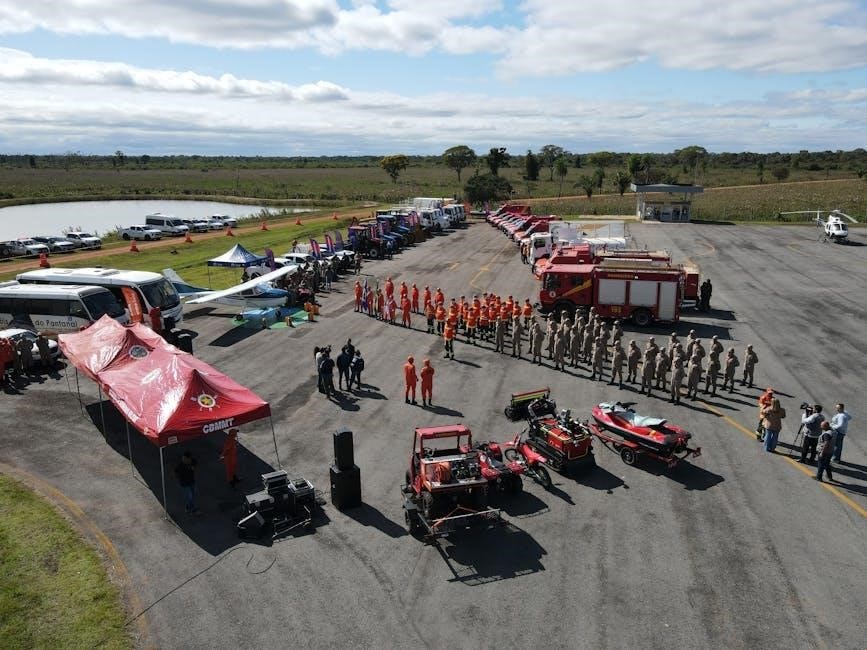
Furthermore, water supply and hydrant operations drills ensure a reliable water source, while self-rescue and RIT drills emphasize firefighter safety and emergency self-aid․ Regularly rotating through these categories ensures well-rounded preparedness․
Structural Firefighting Drills
Structural firefighting drills are foundational, demanding realistic simulations of building fires․ These drills should encompass fire behavior recognition, including flashover and backdraft potential, and practice coordinated interior attacks․ Crews must drill on hose line advancement techniques, ventilation strategies, and effective search and rescue procedures․
Scenario-based drills, utilizing props or actual structures, enhance realism․ Emphasis should be placed on communication protocols, maintaining situational awareness, and operating safely in confined spaces․ Drills should also incorporate ladder operations for access and rescue, and practice victim removal techniques․
Regularly assessing and refining these drills based on post-drill critiques is vital for continuous improvement and ensuring firefighter proficiency in handling structural fire emergencies․
Auto Accident/Vehicle Extrication Drills
Auto accident and vehicle extrication drills prepare firefighters for the complex challenges of rescuing victims trapped in damaged vehicles․ These drills necessitate proficiency in vehicle stabilization techniques, glass management, and the safe operation of hydraulic rescue tools (“Jaws of Life”)․
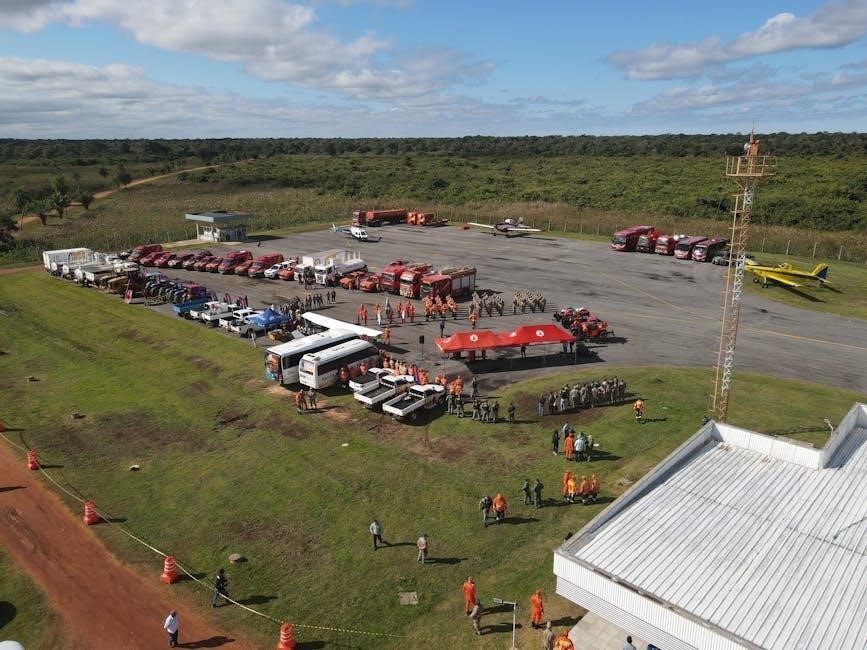
Scenario-based training should simulate various accident types – rollovers, head-on collisions, and intrusions – requiring crews to adapt their extrication strategies․ Drills must emphasize patient assessment, spinal immobilization, and coordinated teamwork between firefighters and EMS personnel․
Regular practice with different vehicle makes and models, including those with advanced safety features, is crucial․ Post-drill analysis should focus on improving efficiency, safety, and victim care during extrication operations․
Wildland Firefighting Drills
Wildland firefighting drills are essential for preparing firefighters to combat fires in natural environments․ These drills focus on building firebreaks, deploying fire shelters, and understanding fire behavior in varying terrain and weather conditions․
Training should encompass hose lays, pump operations for sustained water supply, and effective communication protocols within a wildland incident management system․ Crews must practice working as a team, maintaining situational awareness, and recognizing escape routes and safety zones․
Drills should simulate realistic scenarios, including mop-up operations, structure protection, and responding to changing wind conditions․ Emphasis on physical fitness and proper use of personal protective equipment (PPE) is paramount for firefighter safety․
Specific Drill Examples & Techniques
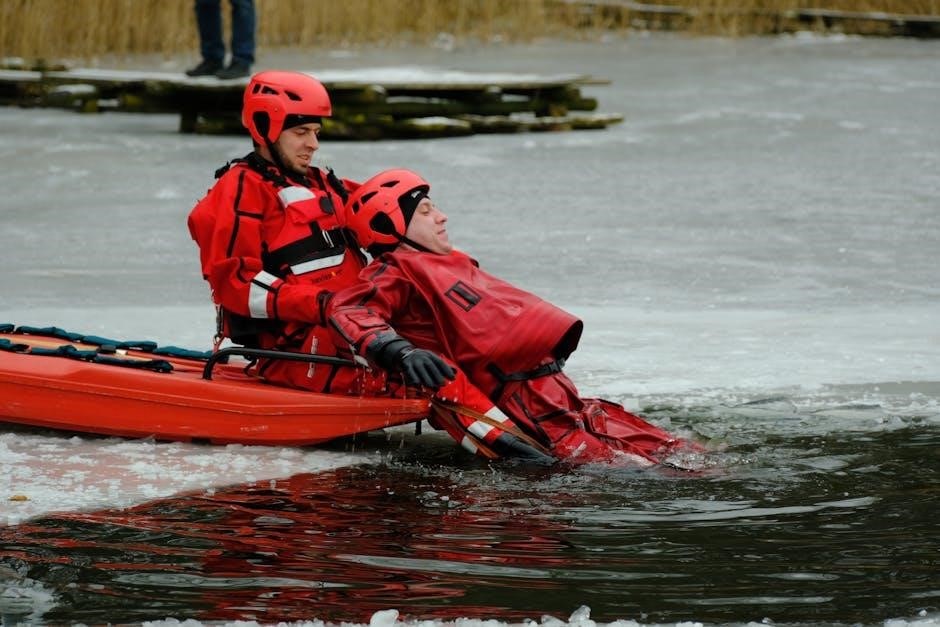
Implementing practical drills is vital for firefighter preparedness․ The “5-Minute Drill” focuses on rapid deployment from the station, emphasizing efficient donning of gear and apparatus operation․ Limited staffing drills simulate real-world scenarios where crews must adapt and maximize resources․
Compartment drills hone search and rescue skills, while forcible entry drills build proficiency in door breaching techniques․ Water supply drills concentrate on hydrant assessment, flow rate testing, and developing robust water supply plans, even in “no standpipe” situations․
Self-RIT bottle drills reinforce emergency air management, and RIT team deployment exercises prepare for firefighter rescue․ These drills, guided by departmental standards, enhance skills and promote proactive thinking․
The 5-Minute Drill: Rapid Deployment

The “5-Minute Drill” is a cornerstone of effective firefighter training, simulating a rapid response to a working fire․ This drill emphasizes minimizing turnout time – the period from dispatch to apparatus departure – aiming for a target of five minutes or less․
Key elements include efficient gear donning, apparatus checks, and coordinated crew actions․ Drills should incorporate realistic scenarios, such as full personal protective equipment (PPE) and self-contained breathing apparatus (SCBA) usage․
Regular practice builds muscle memory and streamlines procedures, crucial for a swift and effective initial attack․ Variations can include different dispatch scenarios and equipment configurations, enhancing adaptability and preparedness․
Limited Staffing Company Level Training
Many fire departments frequently operate with minimal staffing levels, necessitating specialized training to maintain operational effectiveness․ Company-level drills focusing on limited staffing scenarios are therefore vital․
These drills should simulate responses with reduced crews, forcing firefighters to adapt and assume multiple roles․ Emphasis is placed on efficient task allocation, streamlined procedures, and maximizing individual capabilities․
Training should cover essential functions like initial attack, search and rescue, and ventilation, all performed with a reduced team․ Practicing these scenarios builds confidence and ensures a safe, effective response when full staffing isn’t available, mirroring real-world conditions․
Compartment Drills: Search & Rescue Tactics
Compartment drills are foundational for effective search and rescue operations, simulating realistic fire environments where visibility is severely limited․ These drills prioritize systematic search techniques, emphasizing thoroughness and firefighter safety․
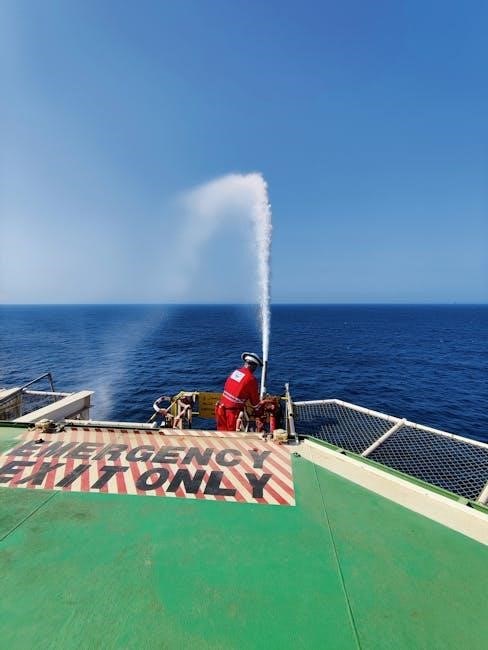
Training focuses on maintaining orientation within structures, utilizing search ropes, and communicating effectively with team members․ Drills should incorporate various building layouts and simulate different fire conditions to enhance adaptability․
Firefighters practice rapid intervention techniques, victim removal procedures, and the importance of continuous size-up during the search․ Realistic scenarios build confidence and refine skills, ensuring a swift and safe rescue in challenging conditions, vital for positive outcomes․
Forcible Entry Drills: Door Breach Techniques
Forcible entry drills are critical for gaining access to structures when faced with locked or barricaded doors, a frequent necessity during emergency responses․ Training emphasizes safe and efficient techniques, minimizing damage while maximizing speed․
Drills cover various door types and locking mechanisms, including inward and outward swinging doors, utilizing tools like halligan bars, axes, and hydraulic spreaders․ Firefighters practice proper body positioning and team coordination to avoid injury․
Emphasis is placed on recognizing door construction, identifying weak points, and employing appropriate breaching strategies․ Realistic scenarios build proficiency and confidence, ensuring rapid access for rescue and fire suppression efforts, ultimately saving lives and property․
Water Supply & Hydrant Operations
Establishing a reliable water supply is paramount in firefighting, and dedicated drills are essential for proficiency․ Training focuses on locating, assessing, and utilizing hydrants effectively, understanding their limitations and potential issues․
Drills involve hydrant flow testing to determine available water pressure and volume, crucial for developing effective fireground strategies․ Firefighters practice proper hydrant connections, including the use of gated wyes and adapters, ensuring a smooth and efficient water delivery․
Training also encompasses alternative water sources when hydrants are unavailable, such as portable water tanks and relay pumping operations, preparing crews for diverse operational environments and ensuring continuous water supply․
Developing a Solid Water Supply Plan
A robust water supply plan is foundational to successful fire suppression․ Drills should emphasize pre-planning, identifying potential water sources – hydrants, static water sources – and mapping their locations for rapid access․
Training must cover calculating friction loss, accounting for elevation changes, and determining appropriate hose lays to deliver adequate water to the fireground․ Crews practice developing multiple supply routes, anticipating potential disruptions and ensuring redundancy․
Effective plans incorporate communication protocols for relaying water supply information to incident commanders and incoming crews, fostering situational awareness and coordinated operations․ Regular review and updates are vital, reflecting changes in infrastructure and departmental tactics․
Hydrant Assessment & Flow Rate Testing
Regular hydrant assessment is critical for verifying water supply reliability․ Drills should incorporate systematic inspections, documenting hydrant type, condition, and accessibility․ Crews practice proper operation, including flushing to clear debris and identifying potential maintenance needs․
Flow rate testing, utilizing flow meters, determines actual water availability, comparing results to municipal records․ This data informs pre-incident planning and tactical decision-making during emergencies․ Training emphasizes safe testing procedures, minimizing water waste and avoiding damage to the water system․
Documenting test results and maintaining a current hydrant map ensures accurate information is readily available to firefighters, enhancing response effectiveness and safety․
Physical Fitness & Safety Considerations
Firefighting demands extreme physical exertion, requiring comprehensive fitness programs integrated with training drills․ Drills should simulate real-world conditions, emphasizing strength, endurance, and cardiovascular health․ Regular physical assessments identify areas for improvement and prevent injuries․
Safety is paramount during all drills․ A thorough risk assessment must precede each exercise, addressing potential hazards and implementing appropriate control measures․ Proper PPE usage, including SCBA, is mandatory․ Drills should incorporate realistic scenarios, but prioritize firefighter well-being above all else․
Training must emphasize self-rescue techniques and the importance of recognizing personal limitations to prevent overexertion and ensure safe operations․
Firefighting’s Physical Demands
According to the Bureau of Labor Statistics, firefighting is the most physically demanding job in the United States, assessed across nearly 500 occupations․ This stems from tasks like carrying heavy equipment, navigating challenging terrain, and enduring extreme temperatures․
Drills must replicate these demands, incorporating weighted gear, stair climbs, hose drags, and simulated rescues․ Cardiovascular endurance is critical, requiring drills that elevate heart rates and simulate prolonged exertion․ Strength training focuses on core stability, upper body power, and leg strength․
Effective training acknowledges these demands, preparing firefighters for the intense physical challenges encountered on the fireground, minimizing injury risk, and maximizing operational effectiveness․
The Role of Safety in Drill Execution
Despite the inherent risks, a paradoxical element exists: prioritizing safety during drills is paramount, yet sometimes overlooked․ Safety isn’t merely the absence of incidents; it’s a proactive mindset woven into every drill scenario․
Comprehensive risk assessments are essential before each drill, identifying potential hazards and implementing mitigation strategies․ Proper PPE, including SCBA, must be utilized consistently․ Realistic scenarios should be balanced with controlled environments, preventing unnecessary risk exposure․
Continuous monitoring, clear communication, and immediate intervention are vital․ Drills should reinforce safe practices, not encourage reckless behavior․ A culture of safety empowers firefighters to identify and address hazards, fostering a proactive approach to risk management․
Self-Rescue & Rapid Intervention Team (RIT) Drills
Self-rescue capabilities are foundational to firefighter survival, demanding regular, realistic drills․ These exercises focus on recognizing and escaping hazardous situations independently, emphasizing air management and situational awareness․
Complementing self-rescue, RIT drills prepare teams to locate and remove downed firefighters․ Scenarios should simulate realistic conditions – low visibility, confined spaces, and structural instability – requiring proficient use of RIT tools and techniques․
The “Self-RIT Bottle Drill” is critical, practicing emergency air supply transitions and rapid egress․ Effective RIT operations necessitate seamless teamwork, clear communication, and a thorough understanding of potential rescue challenges․ Regular practice builds confidence and competence․
Self-RIT Bottle Drill: Emergency Air Management
The Self-RIT Bottle Drill is a cornerstone of firefighter survival training, specifically addressing emergency air management scenarios․ Drills simulate complete air supply failure, forcing firefighters to transition to their emergency air supply (PASS device) swiftly and efficiently․
These drills emphasize maintaining composure under stress, practicing rapid donning of a rescue mask, and executing a controlled egress from hazardous environments․ Realistic simulations, including low visibility and simulated structural collapse, enhance the drill’s effectiveness․
Regular practice reinforces the critical skill of recognizing low-air warnings, conserving air, and initiating emergency procedures without hesitation․ Mastery of this drill significantly increases the probability of successful self-rescue and team survival․
RIT Team Deployment & Operations
Rapid Intervention Team (RIT) deployment drills are vital for ensuring a swift and effective response to firefighter emergencies․ These drills focus on coordinated team movement, efficient equipment deployment, and effective communication under stressful conditions․
Scenarios should simulate locating and rescuing downed firefighters in realistic structural firefighting environments, including navigating obstacles and dealing with limited visibility․ Drills emphasize proper use of RIT tools – air packs, rope systems, and forcible entry tools – for rapid extrication․
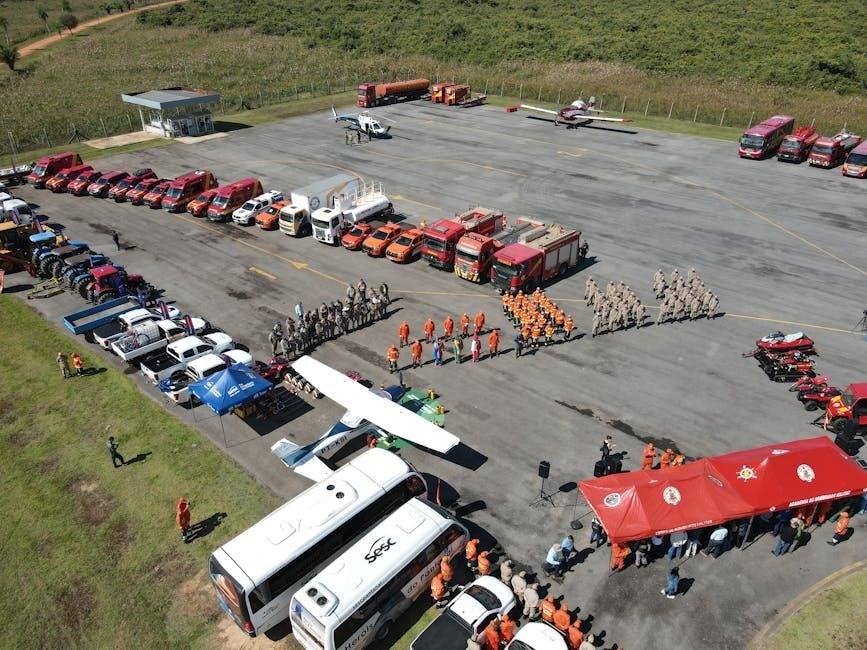
Effective RIT operations require seamless teamwork, clear role assignments, and a thorough understanding of rescue techniques․ Regular drills build confidence and proficiency, maximizing the RIT team’s ability to safely rescue fellow firefighters․
No Standpipe Situations: Alternative Water Sources
Firefighter training must address scenarios where traditional standpipe systems are unavailable or compromised․ Drills should focus on establishing effective water supplies using alternative resources, crucial for maintaining fire control in high-rise or remote locations․
Training encompasses deploying portable water tanks, utilizing relay pumping operations to extend water reach, and identifying suitable natural water sources like ponds or rivers․ Crews must practice drafting techniques and understand the limitations of each source․
These drills emphasize adaptability and resourcefulness, teaching firefighters to overcome challenges when faced with limited resources․ Proficiency in alternative water supply methods is paramount for successful fireground operations and firefighter safety․
Adapting to Limited Resources
Realistic firefighter training necessitates drills simulating resource-constrained environments․ These scenarios force crews to prioritize tasks, improvise solutions, and maximize the effectiveness of available equipment․
Drills should incorporate limited staffing, reduced hose lines, and delayed mutual aid responses․ Emphasis is placed on efficient fire attack strategies, conservative fireground tactics, and effective communication․
Training should also cover resource allocation, emphasizing the importance of identifying and utilizing all available assets, including civilian resources when appropriate․ Adapting to limitations builds resilience and enhances problem-solving skills, vital for successful fireground operations․
Portable Water Tanks & Relay Pumping
When faced with no standpipe situations or inadequate hydrant flow, portable water tanks and relay pumping become critical skills․ Drills must focus on rapid tank deployment, efficient filling procedures, and seamless relay pump operations․
Training should cover pump calculations for friction loss and proper nozzle selection to maintain adequate pressure throughout the relay․ Crews must practice establishing and maintaining multiple pump connections, ensuring a continuous water supply․
Emphasis should be placed on site selection for tanks, considering accessibility and elevation․ Realistic scenarios, simulating rural or remote locations, will enhance proficiency and preparedness for challenging water supply situations․