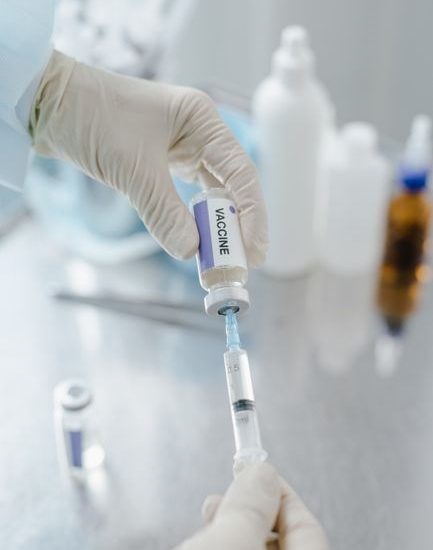
Overview of Sermorelin 2mg
Sermorelin 2 mg is a synthetic growth hormone‑releasing peptide used for diagnosing growth hormone deficiency. Each vial contains 2 mg of lyophilized powder that must be reconstituted with 1 mL of sterile diluent before subcutaneous injection. Proper mixing ensures accurate dosing and bioavailability.!!!??
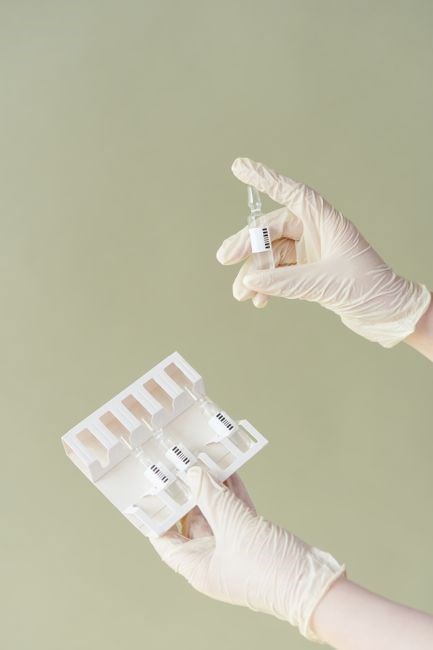
What is Sermorelin?
Sermorelin is a synthetic 44‑amino‑acid peptide that mimics growth hormone‑releasing hormone (GHRH). By binding to pituitary GHRH receptors, it stimulates endogenous growth hormone secretion while preserving the natural pulsatile pattern, reducing side effects seen with direct growth hormone therapy such as edema or joint pain. Clinically, it diagnoses growth hormone deficiency and assesses pituitary function. A 2 mg vial contains lyophilized powder that must be reconstituted with sterile diluent before subcutaneous injection. The usual dose is 0.2 mg daily, given once in the morning to align with circadian rhythms.
Beyond diagnostics, Sermorelin has been investigated for anti‑aging purposes, potentially improving skin elasticity, muscle tone, and bone density. Studies suggest that chronic low‑dose use may enhance insulin sensitivity and lipid metabolism, contributing to metabolic health. However, long‑term safety data are limited, and many regulatory agencies do not approve it for anti‑aging. Contraindications include hormone‑sensitive cancers, uncontrolled diabetes, or severe cardiovascular disease, unless closely monitored. Administration is via a 1 mL syringe with a 27‑gauge needle, typically injected into the abdomen or thigh. Rotating sites prevents local irritation. After injection, patients should watch for allergic reactions such as rash or swelling. Preparation requires aseptic technique; the powder must be fully dissolved, and the solution gently inverted to mix without bubbles. Once ready, the solution can be drawn into a syringe for daily use, with volume calculated to deliver the prescribed dose accurately. Accurate documentation of each dose is essential for monitoring therapeutic response and regulatory compliance. Routine laboratory monitoring of thyroid function and blood glucose is recommended during therapy. Additionally, periodic imaging may be warranted for patients with a history of malignancy. Patient education on injection technique and storage is also crucial. Clinical trials have demonstrated that Sermorelin improves growth velocity in pediatric patients with deficiency. In adults, it has been associated with increased lean body mass and decreased fat mass. The solution should be protected from light. Patients may experience mild flushing after injection. Regular follow‑up visits are recommended to assess efficacy and adjust dosing.
Indications and Dosage Forms
Sermorelin is indicated for the diagnosis of growth hormone deficiency in both pediatric and adult patients, as well as for the evaluation of pituitary function. It is also employed off‑label for anti‑aging purposes, although regulatory approval for this indication remains limited. The drug is supplied as a 2 mg lyophilized powder vial that requires reconstitution with 1 mL of sterile diluent. After thorough mixing, the resulting solution has a concentration of 2 mg/mL and is ready for subcutaneous injection. The typical therapeutic dose is 0.2 mg once daily, usually administered in the morning to align with the natural circadian rhythm of growth hormone secretion. The vial is stored refrigerated (2–8 °C) until reconstitution; after mixing, the solution should be kept at 2–8 °C and used within 30 days of reconstitution to maintain potency and sterility. Proper aseptic technique is essential during reconstitution to avoid contamination. The reconstituted solution is drawn into a syringe and injected into the abdomen or thigh, rotating sites to reduce local irritation. Patients should be monitored for adverse reactions such as flushing, mild injection‑site discomfort, or allergic responses. Dosage can be adjusted based on clinical response and laboratory monitoring of growth hormone levels. In pediatric patients, growth velocity is the primary endpoint, whereas in adults, changes in body composition and metabolic parameters are monitored. The formulation is not available in pre‑filled syringes; it must be prepared at the point of care by a qualified professional to ensure accurate dosing and maintain sterility throughout the process. Additionally, patients should be instructed to store the reconstituted solution in a tightly sealed container away from direct light and to discard any unused portion after the 30‑day window. Regular follow‑up visits are recommended to assess efficacy, monitor for side effects, and adjust dosing as needed. This comprehensive approach ensures optimal therapeutic outcomes while safeguarding patient safety and product integrity.
Necessary Reagents and Equipment
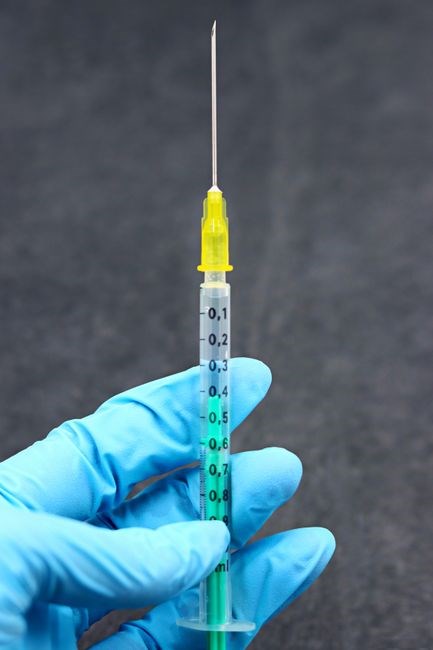
Reagents: 1 mL sterile diluent (e.g., 0.9% NaCl). Equipment:2 mg vial, 1 mL syringe, 27‑g needle, swabs, gloves,container. Follow aseptic technique during reconstitution. Use a 1 mL syringe, 27‑g needle, sterile gloves, and 5 mL syringe for diluent. Ensure the diluent is at room temperature before use.
Reconstitution Syringe and Needle
For accurate reconstitution of the 2 mg Sermorelin vial, a 1 mL syringe with a 27‑g needle is recommended. The syringe should be calibrated to ensure precise volume measurement, and the needle must be sharp to minimize resistance during injection of the diluent. Prior to use, inspect the syringe for any manufacturing defects, such as bent plunger or damaged barrel. The 27‑g needle offers a balance between ease of use and minimal tissue trauma, which is essential for subcutaneous administration. When drawing up the 1 mL of sterile diluent, pull the plunger slowly to avoid creating a vacuum that could damage the peptide. Once the diluent is in the syringe, hold the syringe vertically and tap the barrel gently to keep the liquid level stable. The syringe’s internal diameter should be sufficient to allow smooth flow of the peptide solution without excessive shear stress, which could potentially denature the protein. After the diluent is drawn, the syringe should be kept at room temperature for no longer than 30 minutes before injection to preserve peptide integrity. Proper handling of the syringe needle ensures a consistent sterile and effective reconstitution process for Sermorelin 2 mg!!
The entire procedure should be performed within 30 minutes of diluent addition to avoid peptide degradation. Store the reconstituted solution in a refrigerator at 2–8 °C and use within 14 days; Always discard any unused portion after this period to ensure safety and efficacy.

Diluent and Personal Protective Equipment
Reconstituting a 2 mg vial of Sermorelin requires a sterile 1 mL diluent, typically bacteriostatic water or 0.9 % saline. Store the diluent at 2–8 °C and allow it to reach room temperature before use. Draw the diluent into a 1 mL syringe fitted with a 27‑g needle, avoiding bubbles. Inject the diluent into the vial’s rubber stopper while holding the syringe vertically. Rotate the vial 10–15 times, gently tapping the side to mix without vigorous shaking that could denature the peptide. Personal protective equipment is essential: wear nitrile gloves, a face mask, and eye protection to prevent splashes. Perform the procedure on a clean, well‑lit surface. After mixing, use the solution within 30 minutes; any remainder should be refrigerated at 2–8 °C and protected from light. Dispose of sharps in a puncture‑proof container and follow local pharmaceutical waste regulations. Proper PPE and aseptic technique preserve the peptide’s integrity and ensure accurate dosing.
When selecting the diluent, verify compatibility and absence of preservatives that may affect stability. Label the vial immediately after reconstitution with the date, time, and concentration (e.g., 2 mg/mL). Keep a log of lot numbers and any observations such as cloudiness. This documentation supports quality control and regulatory compliance, ensuring each dose is safe and therapeutically effective.
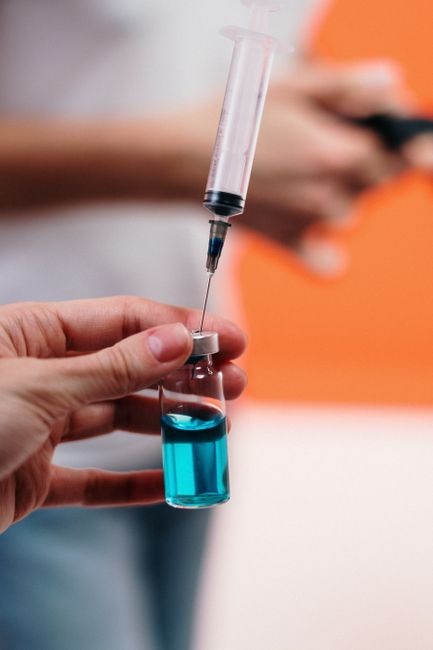
Store the solution at 2–8 °C and use within 14 days. Avoid exposing it to light or extreme temperatures. Discard cloudy solutions and prepare fresh vials. Proper storage and handling reduce contamination risk and preserve the peptide’s bioactivity, which is critical for achieving therapeutic outcomes.
Step-by-Step Reconstitution Procedure
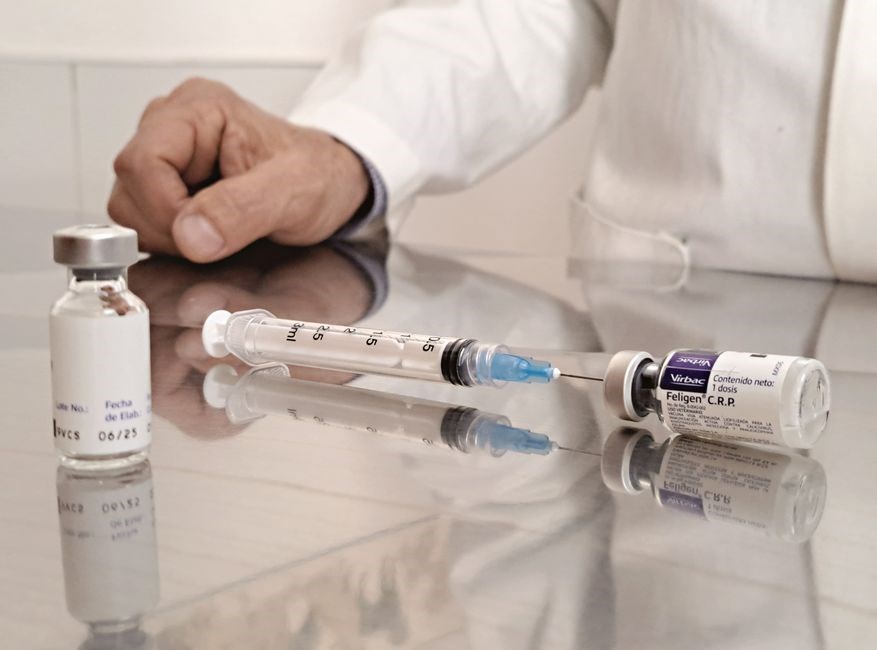
Verify vial integrity. 2. Draw 1 mL sterile diluent into a 1 mL syringe. 3. Inject diluent into vial, rotate 10–15 times. 4. Gently tap to dissolve powder. 5. Check for clarity; use immediately or refrigerate 2–8 °C. Store in a cool, dark place. Keep
Preparation of Diluent Solution
To prepare the diluent for reconstituting a 2 mg vial of Sermorelin, use sterile, preservative‑free 0.9 % sodium chloride (normal saline) or sterile water for injection. Measure exactly 1 mL with a calibrated syringe, ensuring the needle is clean and the syringe is free of air bubbles. The diluent should be at room temperature (20–25 °C) to avoid thermal shock to the peptide. Once the 1 mL aliquot is drawn, label the syringe with the date, lot number, and expiration date of the vial. Store the diluent in a sterile, sealed container until ready for use. If the vial will be reconstituted within 24 hours, keep the diluent at 2–8 °C; for longer storage, freeze at –20 °C and thaw slowly before use. Always verify that the diluent is clear, colorlessand safe. The correct volume and temperature of the diluent are critical for achieving a uniform solution and maintaining peptide stability.
The diluent must be prepared in a clean, dry area to avoid contamination. Use a calibrated 1 mL syringe and a new, sterile needle. Prior to drawing the diluent, wipe the vial’s rubber stopper with an alcohol swab and allow it to air dry. When filling the syringe, pull back the plunger to create a small vacuum, then inject the diluent slowly. After injection, swirl the syringe 10–15 times. Verify that the solution remains clear and free of particulate matter before proceeding with reconstitution. Ensure solution is free of cloudiness before use.
Injecting Diluent into the Vial and Mixing
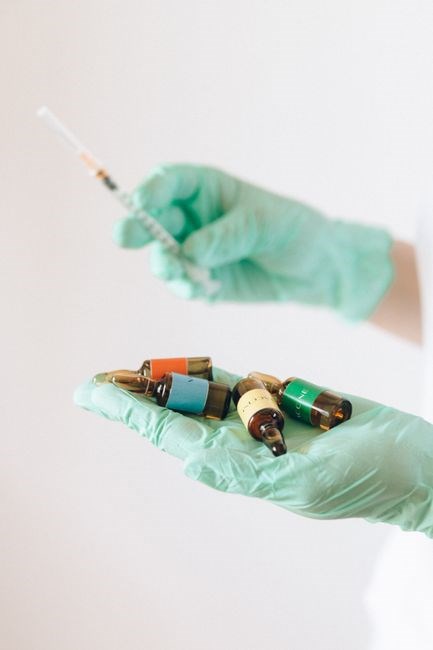
Begin by placing the vial on a clean, flat surface. Ensure the vial’s rubber stopper is free of moisture and debris. Using a new, sterile needle and syringe, draw the pre‑measured 1 mL diluent as described in the previous section. Hold the syringe upright and gently tap the vial to keep the powder suspended. Insert the needle into the vial’s rubber stopper at a 90‑degree angle, avoiding contact with the vial’s interior wall. Slowly inject the diluent while maintaining a steady, controlled flow. The powder should begin to dissolve immediately, forming a clear, pale solution. After the full 1 mL has been added, withdraw the needle and cap the vial securely. Place the vial on its side and gently roll it 10–15 times to ensure complete dissolution. Do not shake vigorously, as excessive agitation can denature the peptide. Verify that the solution remains clear and free of particulate matter. If any cloudiness or precipitation appears, discard the vial and start a new reconstitution. The final solution should be ready for subcutaneous injection within the recommended time frame. After mixing, label the vial with the reconstitution time, lot number, and expiration date. Store the reconstituted solution in a refrigerator at 2–8 °C and use within 30 days. If the solution is to be used within 24 hours, it can be kept at room temperature. Always perform a visual inspection before each injection to confirm clarity and absence of particulate matter. The recommended injection volume is 0.5 mL, delivering 1 mg of Sermorelin per dose. Use a new, sterile needle for each injection to maintain sterility. If any residue remains in the vial after mixing, do not attempt to force it out; instead, discard the vial. Residual powder may indicate incomplete dissolution and could compromise dosing accuracy. Maintain a log of each reconstitution event, noting the lot number, date, and any observations. This log assists in tracking product integrity and compliance with regulatory requirements. When handling the vial, avoid excessive movement and keep it upright to prevent sedimentation. If the solution appears cloudy after 24 hours, it may have precipitated; in such cases, discard and reconstitute a fresh vial. The reconstituted solution should be used promptly to ensure optimal therapeutic efficacy.
Dosage Calculation and Administration
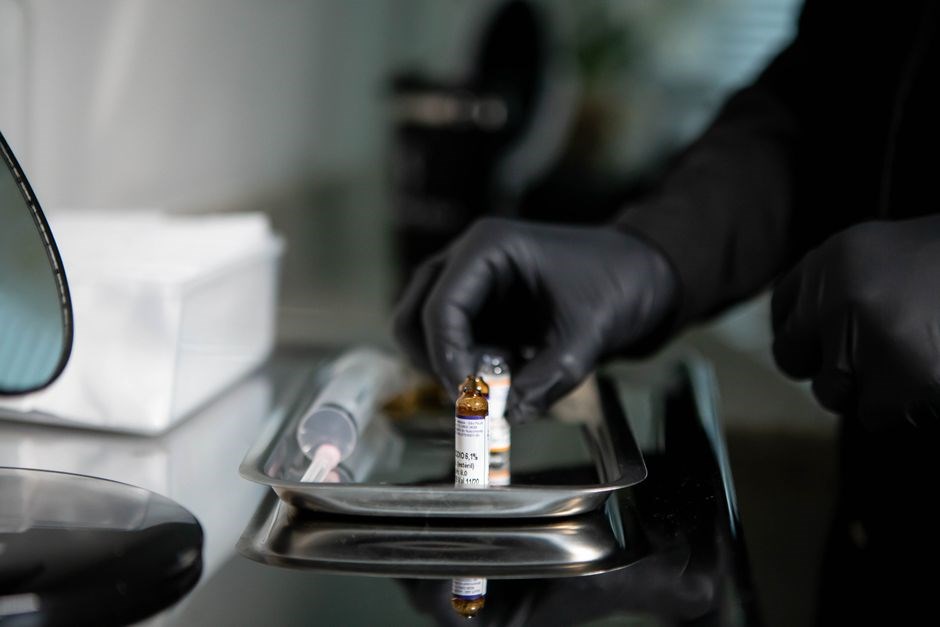
Reconstituted 2 mg vial yields 0.5 mL per 1 mg. For a 2 mg dose, withdraw 1 mL, divide into two 0.5 mL injections, or use a syringe to measure 1 mL. Administer subcutaneously twice daily, rotating sites, and record each dose in a log. Keep sterile. 4h.
Calculating the Required Volume for 2mg Dose
Each vial of Sermorelin 2 mg contains a lyophilized powder that, after reconstitution with 1 mL of sterile diluent, yields a final concentration of 2 mg per 1 mL. Because the therapeutic dose is 2 mg, the entire reconstituted volume must be used. To confirm the correct amount, multiply the desired dose (2 mg) by the volume per milligram (0.5 mL / mg). This calculation gives 1 mL, which is the total volume to withdraw from the vial. If a clinician prefers to split the dose into two administrations, each injection should contain 0.5 mL, delivering 1 mg per injection. When measuring, use a calibrated syringe marked in 0.1 mL increments to ensure precision. After drawing the full 1 mL, the syringe should be capped and stored at 2–8 °C until use, never exceeding the 30‑day shelf life. Proper labeling with the date of reconstitution and the intended dose is essential for patient safety. The reconstituted solution should be gently inverted several times to ensure homogeneity, avoiding vigorous shaking that may cause foaming. Perform the dilution within a laminar flow hood to minimize contamination. Use the solution 24 hours at room temperature or 30 days if refrigerated. Verify clarity; any turbidity indicates contamination and warrants discarding the vial. For accurate dosing, use a syringe calibrated to 0.1 mL increments. Record the reconstitution date and expiration on the vial label. Store the vial at 2–8 °C, away from direct sunlight and temperature fluctuations. Inspect the solution before injection; discard if cloudy or particulate!!!.
Administering the Reconstituted Solution
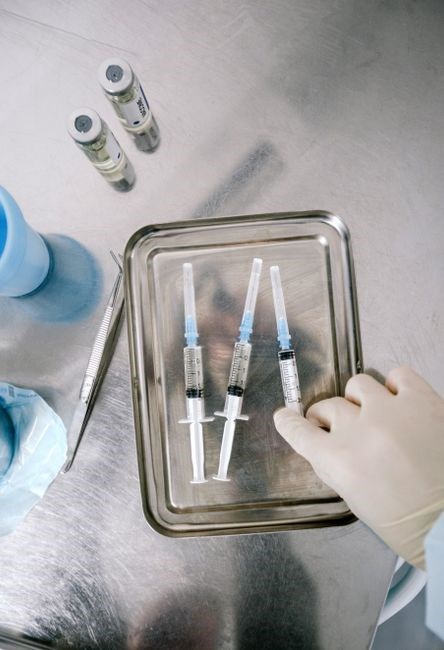
After confirming the solution is clear and free of particulates, draw the full 1 mL dose into a 1 mL syringe equipped with a 27‑30 G needle. Hold the syringe vertically and insert the needle into the subcutaneous tissue of the abdomen, thigh, or upper arm, rotating the injection site 180° to distribute the peptide evenly. Withdraw the syringe slowly, allowing the solution to remain in the needle until the last drop is expelled. Dispose of the needle in a puncture‑proof sharps container immediately. Record the injection time, site, and any patient reaction. Repeat the procedure daily or as prescribed, rotating sites to prevent lipodystrophy. Keep the syringe capped when not in use and store the vial at 2–8 °C, ensuring it remains within the 30‑day expiration window. If the patient experiences mild injection site erythema or discomfort, apply a cool compress for 5–10 minutes. For patients with a history of hypersensitivity, pre‑medicate with an antihistamine 30 minutes prior to injection. Maintain a log of each dose, noting any deviations from the prescribed schedule. Adhere strictly to aseptic technique: wash hands, wear gloves, and use a new needle for each injection. This protocol maximizes bioavailability while minimizing adverse events. Ensure the patient is monitored for any signs of hypersensitivity, such as rash or swelling, and maintain a detailed log of each injection for future reference. Use a new needle each time to avoid contamination.!
Storage and Shelf-Life
Store reconstituted Sermorelin 2 mg in a refrigerator (2–8 °C). Keep the vial sealed and protected from light. Use within 30 days of reconstitution. Discard any solution that appears cloudy or contains particles. Follow local disposal guidelines. Keep safe. Use new.
Refrigeration Requirements
After reconstitution, Sermorelin 2 mg must be kept in a dedicated refrigerator set between 2 °C and 8 °C (35 °F to 46 °F). The vial should remain sealed with its original cap or a secondary seal to prevent contamination and moisture ingress. Light exposure can degrade peptide stability, so store the container in a dark or opaque bag if possible. Avoid placing the vial near the freezer door or in a temperature‑fluctuating zone; a consistent cold environment preserves the bioactivity of the hormone. The solution should be used within 30 days of reconstitution. If the vial shows any cloudiness, precipitation, or discoloration, discard immediately and do not administer. When transferring the solution for injection, use a clean, sterile syringe and needle, and avoid touching the vial’s interior or the syringe’s plunger. Keep the vial in a small, insulated cooler during transport, and do not expose it to temperatures above 25 °C (77 °F) for extended periods. For long‑term storage, some manufacturers recommend a shelf life of up to 12 months if the vial remains frozen at –20 °C, but this is not applicable for the reconstituted product. Always verify the manufacturer’s specific storage instructions on the vial label or accompanying literature, as variations may exist between batches. Proper refrigeration not only maintains potency but also reduces the risk of bacterial growth, ensuring patient safety during therapy. If you need to thaw a frozen vial, do so slowly and refrigerate immediately. Store in a dark place
Expiration and Disposal Guidelines
After reconstitution, Sermorelin 2 mg should be used within 30 days. The vial’s expiration date is printed on the outer label; if the date has passed or the solution appears cloudy, discontinues use immediately. Do not attempt to extend shelf life by refrigeration beyond the recommended period. For disposal, follow local hazardous waste regulations. Empty the vial into a puncture‑proof container and seal it. Do not flush the solution down the drain or toilet. Dispose of needles and syringes in a sharps container. If the vial is unopened and unused, place it in a sealed bag and send it to a pharmacy or medical waste facility that accepts pharmaceutical waste. Never mix the discarded solution with household trash. For patients, keep a record of the last reconstitution date and the expiration date; this helps prevent accidental misuse. If you are unsure about disposal, contact your pharmacy or local health department for guidance. Proper disposal protects the environment and prevents accidental exposure to the peptide. Avoid reusing the vial or syringe for other medications. Store any remaining solution in a refrigerator at 2 °C–8 °C and use within the stated period. If the solution is no longer clear or shows signs of contamination, discard it according to the above steps. The manufacturer’s instructions on the vial should be consulted for any specific disposal recommendations. and safety. Proper handling and disposal reduce the risk of infection and maintain compliance with safety regulations.